





Pinewood Derby® Checklist for Cub Scouts
Dream!
Once your pack leaders have announced the date of the next Pinewood Derby®, it’s time to start dreaming about how to build the coolest car you can imagine!
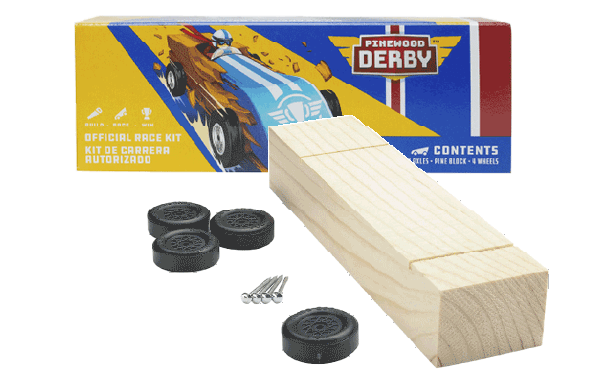
- Inside your official Grand Prix Pinewood Derby® car kit you’ll find wheels, axles, and a wooden block—everything you need to get started.
- Think about your dream car and how you’ll build and decorate it. Include themes that are special to you and let your creativity and personality shine through!
- Your adult assistant can help you find the perfect design; one that’s a fun challenge, but not overly difficult to build. And, you need to be sure it meets the Pinewood Derby® requirements of your pack’s race. You’ll also learn about other Pinewood Derby® awards your pack might have, such as: Fastest, Best-Looking, Most Original, Best Craftsmanship, Most Colorful, and more.
Build!
- Make some drawings of the car you want to build (graph paper can make it easier and even more fun). With your adult helper by your side, sketch the outline on the side of the wooden block.
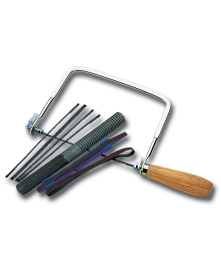
- Shape the car using a small saw and other woodworking tools. It’s OK to let the adult help you with the more difficult steps. He or she can also help you make sure the axles and wheels fit the car body at the correct angle; be sure to remove them until you’ve painted the car.
- Use sandpaper to smooth the surface of your racer.
- Paint your car. Two or three coats of spray paint will make the finish really stand out. Or, use one of the new easy-to-apply "skins”, available from www.scoutstuff.org, in place of paint.
- Install the axles and wheels, making sure the wheels spin easily.
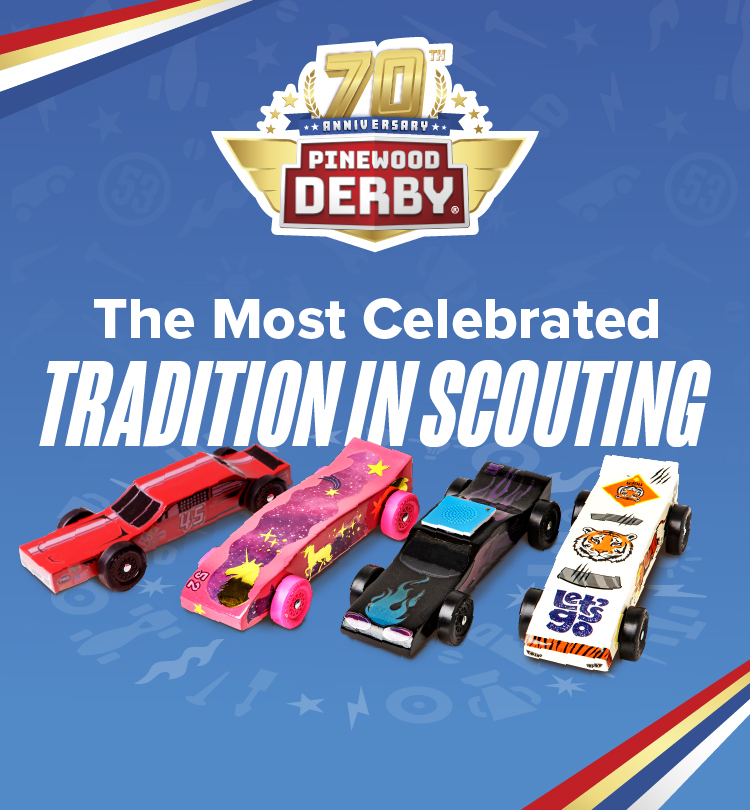
- Now you can add decals (there are several great decal designs available from www.scoutstuff.org). Also, if you want to add them, glue in place a driver, exhaust pipes, fenders, spoilers, and any other accessories.
Race!
- Derby day is a blast! Cub Scouts and adults will cheer for you and your team. After all your hard work, there’s nothing like watching your creation race to the finish!
- Racing against other cars is an exciting part of every Pinewood Derby®. But the real fun is the adventure itself—the whole process! Whether you take home first place or not, you can be proud of how hard you worked and the memories you and your adult helper created.
Pinewood Derby® Checklist for Adults
Your Cub Scout is excited about entering a car in a Pinewood Derby®. It’s a great opportunity for you to spend time together working on a fun project.
It is also a chance for both you and your Cub Scout to practice the three steps of self-leadership described in the Boy Scout Handbook:
- Having a vision of where you want to be
- Figuring out the steps to get there
- Completing those steps one at a time
If this is your first time, you might feel a little lost. But don’t worry. You’ll find a lot of support from Scout leaders and from adults with previous derby experience. Ask them for advice when you need it, and use the following steps to guide you and your Cub Scout through a successful Pinewood Derby® experience.
Dream!
- Get an official Grand Prix Pinewood Derby® car kit. Your Cub Scout’s pack leaders might have one for you, or you can buy a kit at your local Scout shop. Kits can also be ordered online from www.scoutstuff.org.
- Each pack’s Pinewood Derby® committee determines the rules for building and racing cars. Those rules almost always state that a car can weigh no more than five ounces and be no more than seven inches long. Check the rules to be sure your Cub Scout’s car will be legal to race. (To see a sample list of Pinewood Derby® rules, click here.)
- As your Cub Scout dreams about the car he wants to build, guide him toward a plan that will allow him to have a large role in its completion.
Build!
- Help your Cub Scout transfer the outline of his car idea to the sides of the wooden block. Using a coping saw, help him cut away waste wood. A rasp and other woodworking tools might also be useful to refine the car’s shape.
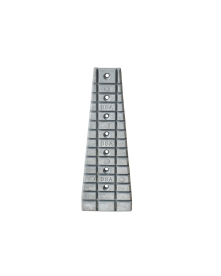
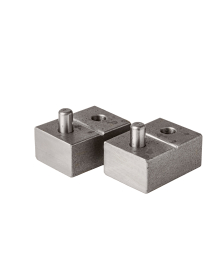
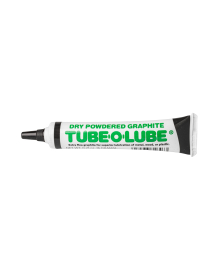
- Before proceeding, temporarily install the axles and wheels. Make any adjustments to ensure that they are properly aligned with the car. Experienced Pinewood Derby® adults can show you how. They can also explain ways to increase a car’s speed by adding weight to the car to bring it close to the five-ounce limit, and by polishing and lubricating the axles and wheel hubs. Other helpful tips may be found in books available through your local Scout shop.
- Remove the axles and wheels, then show your Cub Scout how to use sandpaper to give the car a smooth finish.
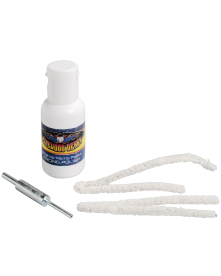
- Guide your Cub Scout as he paints and decorates the car. Encourage him to do a good job and to have fun putting the finishing touches on his Pinewood Derby® racer. Install and lubricate the wheels, and you’re ready to go! Test tracks are also available; and some Scout shops offer free weigh-ins (not considered an “official” weight, but a good guide while designing your car).
Race!
On the day of the derby, take pride in your Cub Scout’s success in completing his car and being able to take part in the race. Celebrate with him and recognize the value of the time you’ve spent together. That’s how everybody wins.
Pinewood Derby® Checklist for Leaders
Dream!
The Pinewood Derby® is a yearly highlight for many Cub Scout packs. It unites Cub Scouts and their families as they build cars together and then share in the excitement of the derby itself. Each Cub Scout pack organizes its own Pinewood Derby®, establishes the rules, and conducts the events. Planning can begin when the Cubmaster designates several volunteers (for small packs) or finalizes membership of a Pinewood Derby® committee (for larger packs) to organize and manage the upcoming event.
- Sell the dream! Get the boys excited about it. Help parents and den leaders understand the scope of the event and guide them in a positive direction.
- Make the dream fit your unit’s experience. As a pack, you can dream big while still considering your limits and abilities. Evaluate your unit’s resources and the experience of your leaders. If this is your first derby, plan accordingly. If you’ve got leaders with experience, you can make it a bigger event.
- Gather your resources. If you don’t have access to experienced leaders, consult with your district and neighboring Cub Scout packs.
Build!
- Remember, the goal is for every Cub Scout to have a car on race day. For the Cub Scout pack, this may involve gathering resources to help the dens—and sometimes individual Cub Scouts—to have access to tools and materials necessary to build their cars. Unit leaders might host a “Build Your Car” day at someone’s home or workshop, making help and tools available to all Cub Scouts, especially those who may not have strong adult support.
- You need a track to race on. You can buy one, borrow one, or build one. Even if you already have one, it’s a good idea to set it up early and test it to make sure all parts are in working order. Make any necessary repairs.
Race!
The following checklist provides a general idea of the steps required to plan and prepare for a successful Pinewood Derby®. Your pack can refine any of the steps and, if necessary, include additional checkpoints to fit the size of your pack and your particular situation.
Checklist for Running a Pinewood Derby®
Here is a planning timeline along with suggested steps for organizers to follow during derby preparation:
Three Months Before Race Day:
___ Decide on the Pinewood Derby® location and reserve the space.
___ Check to see that the track for the Pinewood Derby® is available and in good repair. (Your pack might already own a track. If not, volunteers could use their planning and carpentry skills to build one. Some packs have agreements with Boy Scout troops where the troops provide a track and run the Pinewood Derby® for the pack as a service project.)
___ Begin building a Pinewood Derby® staff by inviting key volunteers to help out. A mix of veterans and newcomers can provide continuity and fresh ideas.
___ Put the date and time of the Pinewood Derby® on pack and den calendars.
Two Months Before Race Day:
___ Assign responsibilities to derby volunteers.
___ Finalize the pack’s rules for the upcoming Pinewood Derby®.
___ Arrange to get official Pinewood Derby® kits for all Cub Scouts who will be involved in the derby. Some packs purchase kits and provide one to each Cub Scout. Others inform parents of ways to order the kits themselves. Local Scout shops have Pinewood Derby® kits, or they can be ordered online at www.scoutstuff.org.
___ Check out the trophies, ribbons, decorations, and other Pinewood Derby® materials available at Scout shops and from www.scoutstuff.org. Order those that will add color and excitement to your event.
One Month Before Race Day:
___ Provide Pinewood Derby® car kits for den leaders to distribute to their Cub Scouts, or otherwise ensure that all boys in the pack have access to kits. Include with each kit a copy of the pack’s Pinewood Derby® rules, a schedule for the upcoming derby, and any other information parents and guardians will find helpful. Packs that will have "siblings races" and "unlimited races" can offer additional kits for sale to families so that everyone can be involved in the fun.
___ Visit the derby site to determine where to place the track, check-in center, refreshment venues, alternative activities arenas, and tables for displaying cars and awards. Check with site managers to plan for setup on the day of the derby and for cleanup afterwards.
___ Consider hosting a car-building day so that Cub Scouts and adults can enjoy working on their racers alongside other teams. With plenty of tools and the guidance of veteran Pinewood Derby® builders, a car-building day can help everyone solve the puzzles of crafting a successful car.
One Week Before Race Day:
___ Volunteers in charge of refreshments should complete their planning, including confirmation of volunteers/vendors who are providing beverages and food.
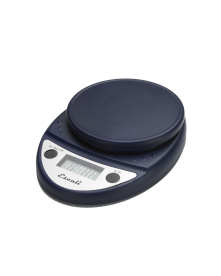
___ Volunteers slated to register and weigh the cars and to manage a repair center gather the charts, scales, and tools they will need. Consider including glue, spare wheels and axles, and other materials for teams to make adjustments and repairs to their cars.
Day of the Pinewood Derby®:
___ With the help of volunteers, the committee sets up the race area and tests the track, timing devices, and derby race tracking programs.
___ Register and weigh the cars as Cub Scouts and family members arrive. Assign each car a number and insert the car’s number in the derby scoring system.
___ Enjoy a great event as Cub Scouts and their families take pride in the accomplishment of building cars ready to be entered in derby competitions.
___ Celebrate the achievements of all Pinewood Derby® entrants.
Methods of Scoring a Pinewood Derby®
The real winners of a Pinewood Derby® are all the Cub Scouts and adults working together to build and enter their racecars. Part of the fun can be friendly competition to discover the fastest cars.
A derby involving dozens of cars requires careful planning to manage. The scoring system needs to be fair and clear.
Many packs use tracks with electronic finish lines that automatically determine the placement of racers for every heat of a derby. Some tracks also have the ability to measure the speed of each car.
Among possible methods for organizing Pinewood Derby® races are double elimination, recorded speed, and schedule-free.
Double Elimination
This method uses a "winner’s bracket" system that begins with every car filling one spot. At the end of each heat, the winning car advances to the next level of the winner’s bracket while the other cars are entered in the loser’s bracket. Those cars then race against one another, and so it continues, with the winners of each heat advancing. The final car of each of the two brackets competes with the other for first place.
Advantages:
The system is straightforward and moves quickly. Each car has at least two chances to advance.
Disadvantages:
The system does not take into account the fact that certain lanes of the track might be faster than others. Some fast cars can be eliminated early if they are in the same part of a bracket. Once a racecar is eliminated, the Cub Scout who built it may lose interest in the rest of the derby.
Many Web sites feature brackets that can be printed out to conduct double elimination competitions. Some sites also have downloadable programs that provide computer support during a Pinewood Derby®. In either case, a basic bracket looks like this:
Recorded Speed
If its track is equipped to record the time it takes for each car to run the course, a pack might use the "recorded speed" method to determine derby winners. Each car is scheduled to race once in each lane of the track. Its time for every run is compiled, and the car completing the heats in the least amount of time is the winner. Other cars can be placed according to their elapsed time, too.
Advantages:
The system finds a clear winner and all the places that follow. Each Cub Scout gets to run his car once on every lane.
Disadvantages:
Heats that involve running every car in every lane can be more time-consuming than other systems.
Schedule-Free Racing
If the real goal of a Pinewood Derby® is for Cub Scouts and adults to have the satisfaction of working together to build cars that are ready to race, declaring an ultimate winner might not be important to a pack. The "schedule-free" system allows teams to run their cars on the track against other teams of their own choosing. To manage the races, pack leaders can give each Cub Scout a certain number of tokens, each good for one race.
Advantages:
There is no need to develop a scoring system to oversee the involvement of all the cars. Boys get to race their cars against others of their own choosing. Depending on the number of tokens, boys will have a number of opportunities to send their cars down the track.
Disadvantages:
If traditions of a pack have always declared a Pinewood Derby® winner, some adults involved in the program might be resistant to changing over to a schedule-free system. For boys, it might also require a shift in how they think about the derby.
- Boys love to run their cars on the Pinewood Derby® track. If possible, arrange time in the days before a derby for Cub Scouts and adults to make practice runs on the track.
- Free time on the track can also be very enjoyable for boys and adults at the end of official Pinewood Derby® competitions. To manage demand, each Cub Scout can be given a certain number of tokens, each good for one run on the track.
Other Competitive Methods
Best of Den Racing
Members of each den have the opportunity to race their cars against one another. The fastest car represents the den in a final competition with the winning racers of the other dens.
Sibling Racing
Cars can be built and raced by siblings of Cub Scouts in the pack. Some packs require that siblings must be under age 11. The race is a terrific way to bring families together and increase interest in Scouting.
Unlimited Racing
Unlimited races allow grown-ups to build and race cars against other adults. Some packs insist that the adults follow the same car standards as those of the Cub Scouts. Other units have no limitations other than length and height.
Whatever methods are chosen, the goal is the same for every Pinewood Derby®. Encourage Cub Scouts and adults to work and learn together and to have the satisfaction of completing a project as a team. That makes everyone a winner, and every Pinewood Derby® a success.